
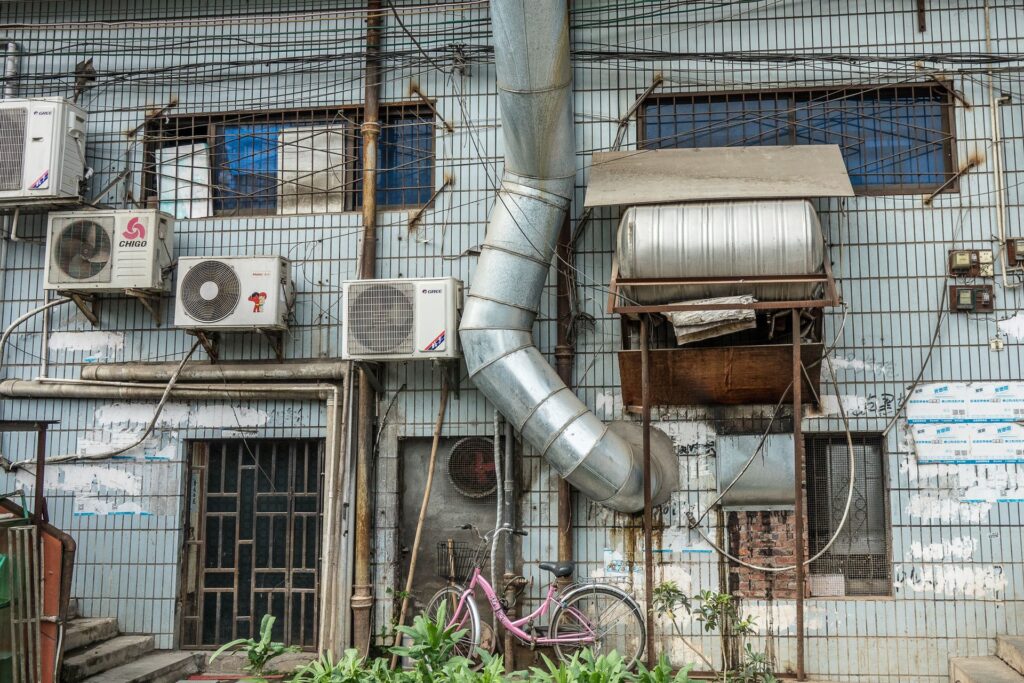
Older homes often have ductwork that does not match the neat layouts found in newer properties. Ducts may run through tight wall cavities, low crawl spaces, attics, or enclosed sections that are difficult to inspect. This raises a practical question: can professional Air Duct Cleaning Equipment reach those hidden areas? In many cases, yes. However, access depends on the home’s construction, duct design, and condition. Professional equipment is designed to clean more than the visible sections. With the right approach, technicians can reach portions of older duct systems while protecting fragile components.
Inspecting Older Duct Systems
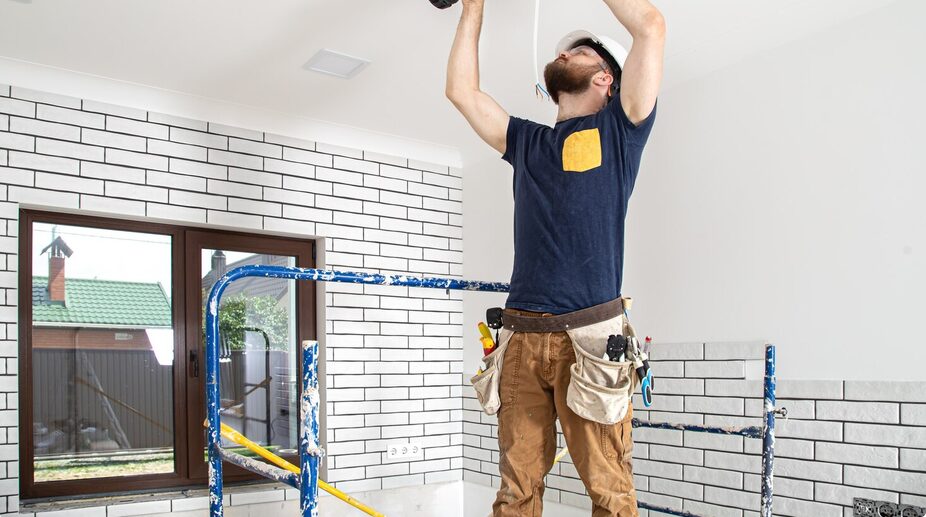
Before cleaning begins, a technician should inspect the system. Older homes can contain sheet metal ducts, flexible connections, lined ducts, or improvised sections added during renovations. Some systems may have disconnected joints or damaged areas. Inspection helps identify where the main supply and return ducts travel. It also shows where access points can be created safely. A technician may use cameras to view areas that cannot be seen directly. This step matters because cleaning equipment works best when the duct layout is understood before hoses and tools are introduced.
Reaching Hidden Duct Sections
Professional duct cleaning machines use powerful negative air pressure to pull dust and debris through the system. Technicians connect large collection equipment to the ductwork and isolate sections when needed. Smaller tools, flexible hoses, brushes, and air whips can then work inside individual runs. These tools can travel through many concealed sections without requiring large parts of a wall or ceiling to be removed. Access panels or existing openings provide entry points. In especially tight areas, specialized equipment can help clean sections that would otherwise be difficult to reach. Still, no system can guarantee access to every inch of every duct. Physical obstructions, collapsed ducts, sealed cavities, or inaccessible runs can limit the process.
Handling Tight and Fragile Areas
Older ductwork requires extra care. Materials can become brittle after decades of use. Seams may loosen, insulation may deteriorate, and older connections may not tolerate aggressive cleaning. Experienced technicians adjust their methods according to the condition of the system. They can control air pressure and select tools that suit the duct material. Gentle agitation may be preferable in a fragile section, while stronger brushing can help with durable metal ducts. The goal is not simply to use the strongest machine available. It is to remove accumulated debris without causing unnecessary damage. A careful assessment helps ensure the cleaning method matches the system.
Cleaning Through Access Points
Access is one of the biggest factors in reaching hidden ducts. Professional cleaners may use existing service openings or install appropriately sized access panels when necessary. These openings allow equipment to connect directly to sections of the duct system. A good technician will explain where access is needed and why. Creating openings should be done carefully, particularly around finished walls, ceilings, insulation, and older building materials. Once an access point is available, technicians can clean toward both ends of a duct section. This approach can improve coverage compared with trying to push a small brush from a single distant opening.

Choosing the Right Professional
For an older home, experience matters. Homeowners should look for a qualified company that understands different duct materials and older construction methods. Ask how technicians inspect hidden ducts, what equipment they use, and how they protect vulnerable systems. Be cautious of promises that claim every hidden surface will always be cleaned perfectly. Older homes can present physical limitations that no machine can overcome. A trustworthy professional will explain those limitations rather than hide them. Professional air duct cleaning equipment can reach many hidden ducts in older homes, but successful cleaning depends on more than machine power.
Checking Results After Cleaning
Cleaning should not end when the equipment is switched off. Technicians should inspect accessible areas and confirm that loose debris has been removed. In some situations, cameras can provide a clearer view of the interior. Results also depend on the original condition of the ductwork. Heavy buildup may require more than one cleaning pass. A damaged or poorly sealed duct may need repair before cleaning can deliver lasting results. Homeowners should ask what areas were cleaned and whether any sections could not be reached. Clear communication provides a more realistic understanding of the service.
Proper inspection, suitable tools, controlled pressure, and sensible access methods all play important roles. When technicians understand the structure of the home and work carefully, they can remove amounts of dust and debris from concealed ductwork. For homeowners, the best approach is to choose a professional who explains the process and treats the duct system with care.


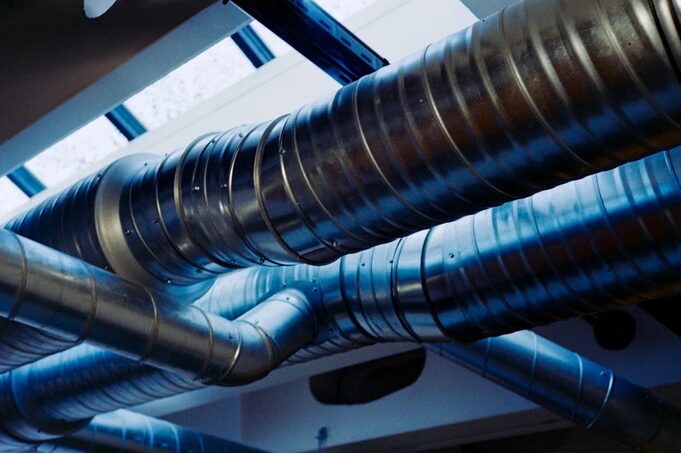
 You might not think about your air ducts daily, but you breathe what flows through them constantly. When those ducts are filled with dust, pollen, pet dander, or even mold spores, that stuff gets circulated all over your house. Clean ducts can seriously improve indoor air quality, especially for people with asthma or allergies. You might notice less sneezing, fewer headaches, and a general improvement in how your home feels to breathe in. Cleaner air means healthier living—simple as that.



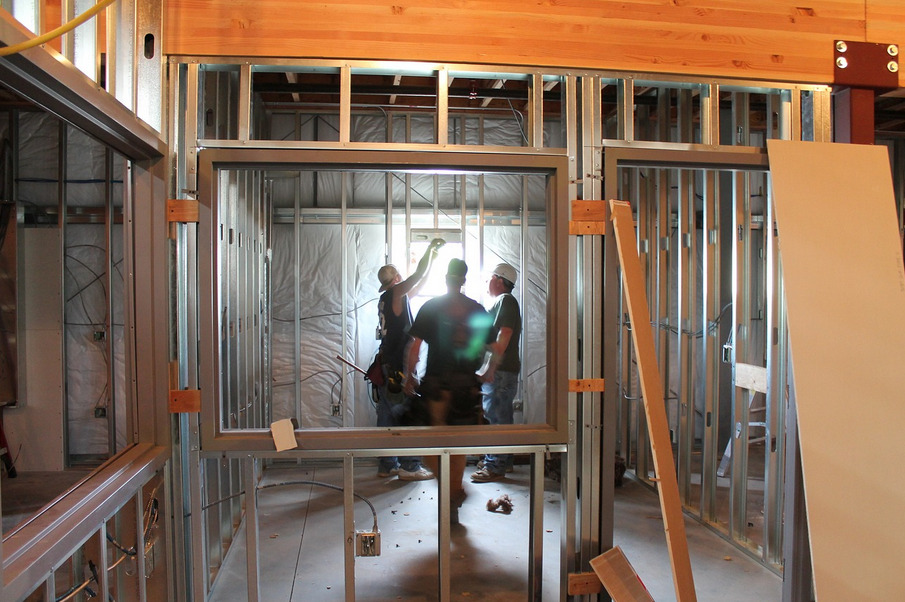 Negotiate pricing and terms with contractors, and be upfront about your budget constraints. Some contractors may be willing to adjust their pricing or offer cost-saving suggestions to accommodate your budget.
 The first step towards improving your home’s aesthetics is to evaluate the current state of your living space. Walk around each room in your house and note what catches your eye. Consider the colors, patterns, textures, and how everything fits together. Look for cluttered or disorganized areas and identify what needs to be changed. If you have trouble seeing things objectively, take pictures of each room from different angles and study them later.
 The next step to improve your home’s aesthetics is identifying what you want to change. Look around your house and see what catches your eye or feels out of place. It could be an old piece of furniture that no longer matches the rest of the room or a blank wall that could use some artwork. Consider the functionality of each room as well; does anything need to be added or removed to make better use of the space? Consider how you currently utilize each area and assess if any changes can be made to improve flow.
 Texas is a huge state with plenty of different types of communities to choose from. If you’re looking for a big city with all the amenities, you can’t go wrong with Houston, San Antonio, or Dallas, but who can forget about Richmond, Texas? These cities have great job opportunities, excellent schools, and plenty of things to do.
 Texas is a great place to do it if you have children or are planning on starting a family. Texas schools are some of the best in the USA, with plenty of family-friendly activities. You’ll find that Texas is a great place to raise a happy and healthy family. Remember that you just can’t go wrong with Texas.
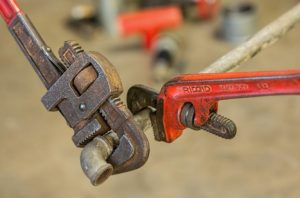 This is probably the most important tip on this list. Hiring a professional plumber can save you time, money, and headaches in the long run. If you doubt whether or not you should hire a professional, just remember that they have the experience and the know-how to get the job done right. If you are not knowledgeable and experienced in plumbing, you should not attempt to do it yourself. If someone can recommend you a professional, that would be ideal.
 Trying to update your entire house at once can be overwhelming, and it will probably cost you more money in the long run. Instead, focus on one room at a time. This will help you stay organized and on budget. This is very important because if you try to do too much at once, you will end up with a half-finished project and a lot of unused materials. This has happened to many people, and it is not a pleasant experience. This is why we recommend you take it one room at a time.
 When moving into a new place as a couple, be sure both of you determine whose stuff is going into the new place and whose isn’t. It can be difficult, especially if you have been living together for a while and have accumulated a lot of stuff. The best way to handle this is to sit down together and make a list of who will bring what. Once you have made your lists, pack up and label all your belongings accordingly. This will make unpacking and setting up your new place much more manageable.
 You may think that as a freelancer, you want your bedroom light and airy. But what if your partner is a night owl who likes to sleep in complete darkness? It’s important to talk about your lighting preferences before moving into your new home to ensure both of you are comfortable. Discuss things like window treatments, overhead lighting, and lamps so you can be on the same page about how you want your new home to be lit.
 One of the primary reasons most people consider using self-storage units is to protect their items from environmental damage and theft. If you are running low on space, self-storage units will provide the right place to store your properties.
 It is crucial to understand that a significant need for organizational success is optimal planning and efficiency. Most people introduce these s
 It is crucial to understand that most people do not realize that using self-storage units is cheaper than they think. If you plan to move from one location to another, it is crucial to consider using self-storage facilities. Also, most small business owners can save more on rent by using these units to store their stock with a hefty bill.