
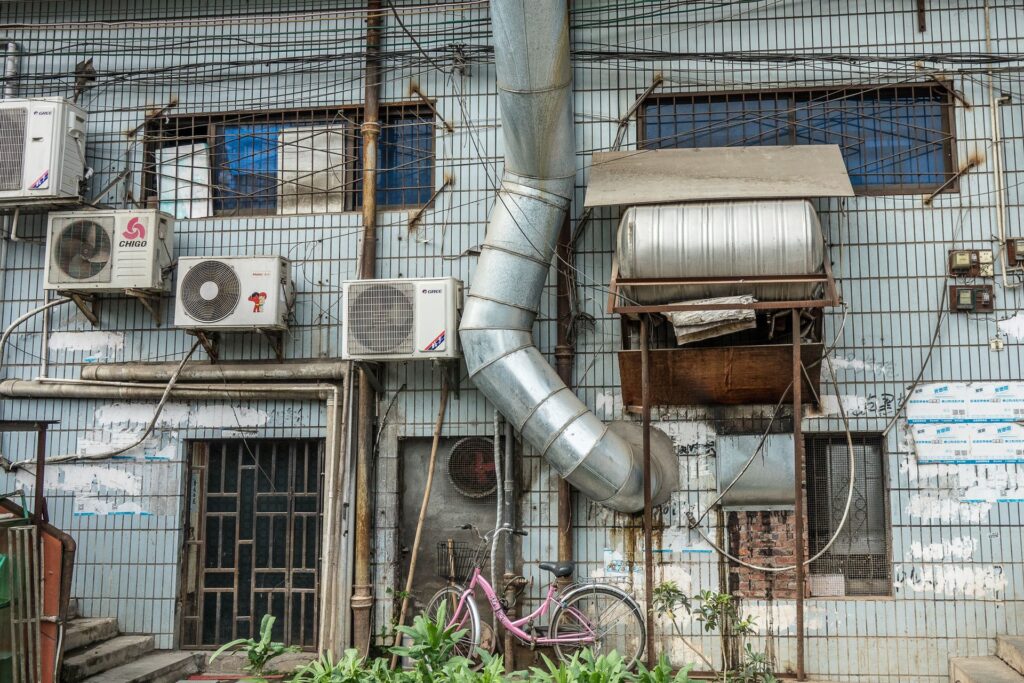
Older homes often have ductwork that does not match the neat layouts found in newer properties. Ducts may run through tight wall cavities, low crawl spaces, attics, or enclosed sections that are difficult to inspect. This raises a practical question: can professional Air Duct Cleaning Equipment reach those hidden areas? In many cases, yes. However, access depends on the home’s construction, duct design, and condition. Professional equipment is designed to clean more than the visible sections. With the right approach, technicians can reach portions of older duct systems while protecting fragile components.
Inspecting Older Duct Systems
Before cleaning begins, a technician should inspect the system. Older homes can contain sheet metal ducts, flexible connections, lined ducts, or improvised sections added during renovations. Some systems may have disconnected joints or damaged areas. Inspection helps identify where the main supply and return ducts travel. It also shows where access points can be created safely. A technician may use cameras to view areas that cannot be seen directly. This step matters because cleaning equipment works best when the duct layout is understood before hoses and tools are introduced.
Reaching Hidden Duct Sections
Professional duct cleaning machines use powerful negative air pressure to pull dust and debris through the system. Technicians connect large collection equipment to the ductwork and isolate sections when needed. Smaller tools, flexible hoses, brushes, and air whips can then work inside individual runs. These tools can travel through many concealed sections without requiring large parts of a wall or ceiling to be removed. Access panels or existing openings provide entry points. In especially tight areas, specialized equipment can help clean sections that would otherwise be difficult to reach. Still, no system can guarantee access to every inch of every duct. Physical obstructions, collapsed ducts, sealed cavities, or inaccessible runs can limit the process.
Handling Tight and Fragile Areas
Older ductwork requires extra care. Materials can become brittle after decades of use. Seams may loosen, insulation may deteriorate, and older connections may not tolerate aggressive cleaning. Experienced technicians adjust their methods according to the condition of the system. They can control air pressure and select tools that suit the duct material. Gentle agitation may be preferable in a fragile section, while stronger brushing can help with durable metal ducts. The goal is not simply to use the strongest machine available. It is to remove accumulated debris without causing unnecessary damage. A careful assessment helps ensure the cleaning method matches the system.
Cleaning Through Access Points
Access is one of the biggest factors in reaching hidden ducts. Professional cleaners may use existing service openings or install appropriately sized access panels when necessary. These openings allow equipment to connect directly to sections of the duct system. A good technician will explain where access is needed and why. Creating openings should be done carefully, particularly around finished walls, ceilings, insulation, and older building materials. Once an access point is available, technicians can clean toward both ends of a duct section. This approach can improve coverage compared with trying to push a small brush from a single distant opening.

Choosing the Right Professional
For an older home, experience matters. Homeowners should look for a qualified company that understands different duct materials and older construction methods. Ask how technicians inspect hidden ducts, what equipment they use, and how they protect vulnerable systems. Be cautious of promises that claim every hidden surface will always be cleaned perfectly. Older homes can present physical limitations that no machine can overcome. A trustworthy professional will explain those limitations rather than hide them. Professional air duct cleaning equipment can reach many hidden ducts in older homes, but successful cleaning depends on more than machine power.
Checking Results After Cleaning
Cleaning should not end when the equipment is switched off. Technicians should inspect accessible areas and confirm that loose debris has been removed. In some situations, cameras can provide a clearer view of the interior. Results also depend on the original condition of the ductwork. Heavy buildup may require more than one cleaning pass. A damaged or poorly sealed duct may need repair before cleaning can deliver lasting results. Homeowners should ask what areas were cleaned and whether any sections could not be reached. Clear communication provides a more realistic understanding of the service.
Proper inspection, suitable tools, controlled pressure, and sensible access methods all play important roles. When technicians understand the structure of the home and work carefully, they can remove amounts of dust and debris from concealed ductwork. For homeowners, the best approach is to choose a professional who explains the process and treats the duct system with care.